Food delivery is the future for local restaurants because it’s how most people find and order meals now. More than half of all diners see delivery as part of their daily routine, which means if you run a local eatery without it, you’re invisible to thousands of hungry people browsing for their next meal.
The numbers back this up: food delivery orders exploded by 300% since 2020, and that trend keeps climbing. This growth means even small restaurants can finally compete with big chains by showing up where diners already spend their time.
But to do this effectively, you need to get the setup right. We’ve seen many restaurant owners jump into delivery without understanding the commission fees, packaging needs, or which menu items actually travel well.
Which is why we’ll show you how delivery apps help you grow, what the real costs look like, and how to keep your food tasting amazing when it travels.
Let’s start by answering the most common question.
Why Food Delivery 2026 Changed Restaurant Growth
Food delivery isn’t the same as it was two years ago, and restaurant growth now depends heavily on delivery presence.
Third-party platforms have replaced the traditional walk-ins and word-of-mouth that restaurants counted on for decades. So when someone gets hungry today, they open an app first, not Google Maps or their contact list.
The shift is most evident among younger customers, with diners under 35 preferring to order through apps rather than dine in. This preference isn’t going away anytime soon, as research shows that 67% of Gen Zers and 64% of Millennials consider food delivery essential to their lifestyle.
For these customers, browsing delivery apps feels as natural as scrolling Instagram. If your restaurant isn’t visible on these platforms, you’re invisible to this huge group of potential diners.
What’s more, restaurants with strong delivery presence see significantly higher annual revenue compared to dine-in-only spots in the same area.
How Web Design Helps Food Delivery Reach More Customers
Now that you see why delivery supports growth, let’s look at how your digital experience can expand that reach even further.
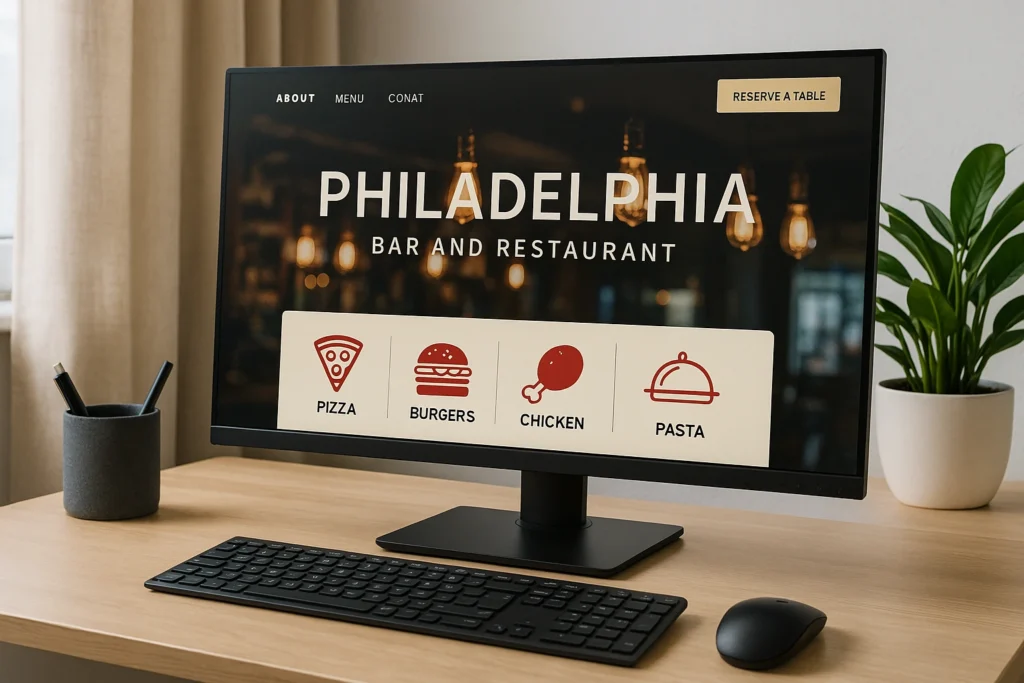
When your website or ordering page is clear, fast, and easy to use, more people can find your menu without any friction. This starts with simple things like quick load times, clean layouts, and photos that make your food feel close and familiar. As customers scroll, each detail keeps them engaged, which helps you show up for anyone searching for something to eat nearby.
A strong digital setup also gives your marketing a natural boost. When your pages look polished, and your app feels smooth to navigate, customers immediately get a sense of what you offer. That first impression encourages them to explore instead of bouncing away.
What’s more, improved design supports busier ordering patterns. When customers can place an order in just a few taps, they’re far more likely to choose you during slower hours. This includes late evenings, midweek lulls, and moments when someone wants food without leaving home
The Real Impact of Food Delivery Apps on Restaurant Sales
Food delivery apps increase restaurant sales by bringing in orders that wouldn’t otherwise happen, and customers returning more often than dine-in guests. And the best part? You don’t need extra tables or staff to capture this revenue.
There are a few ways to measure this impact:
More Orders Coming Through
The revenue boost varies based on your location and menu pricing, but the numbers tell a clear story.
According to CNBC’s research, the share of consumers choosing third-party delivery services jumped from 15% in 2020 to 21% in 2024. This shift means more people are actively looking for restaurants through apps.
Customers Order More Often
Here’s what happens once customers find you through delivery. They order more frequently than dine-in guests once they find a restaurant they like.
The convenience factor keeps them coming back because ordering takes less effort than getting dressed and driving somewhere.
Slow Days Become Profitable
Rainy days and weeknights become profitable instead of dead zones when you’re set up for delivery orders. Remember those slow Monday evenings when your dining room sits half-empty? Delivery customers are still ordering because weather and weeknight laziness don’t stop hunger.
What Delivery Apps Like Uber Eats Mean for Profit Margins
Delivery apps like Uber Eats charge commission fees between 15-30% per order, which cuts into your profit margins but brings customers you wouldn’t reach otherwise.
You’re probably wondering how to make the numbers work, so let’s break down the costs and strategies.
Understanding Commission Fees
According to CNBC’s reporting, Uber Eats and DoorDash both offer tiered pricing structures with these commission charges (that 15-30% commission rate is real, not a typo). The higher tiers give you better placement and marketing support, while the lower tiers cost less but offer minimal visibility.
Adjusting Your Menu Pricing
Menu pricing for delivery that’s slightly higher than dine-in helps offset platform fees without scaring people away. And since most customers expect delivery to cost a bit more, adding 10-15% to your delivery menu prices feels reasonable.
Volume Makes the Math Work
High-volume delivery orders reduce per-meal overhead costs since kitchen staff can prepare multiple orders simultaneously.
Your fixed expenses like rent and utilities stay the same whether you serve 50 meals or 100 meals, which means each additional delivery order improves your profitability.
Keeping Food Quality High When You Go Delivery-First

Food quality can make or break your delivery reputation, and packaging is just as important as cooking when food travels 15 minutes on a motorbike.
According to the National Restaurant Association, proper packaging should keep hot foods hot and cold foods cold while being durable and leak-proof. And surprisingly, a $0.50 container upgrade can be the difference between a five-star review and a refund request.
Menu design plays a role here, too. Some dishes just don’t survive motorbike rides, even if you prepare them with good packaging. Which is why we recommend putting crispy items in vented containers and putting secure lids on saucey dishes.
What’s more, testing catches problems before customers do. So order from your own restaurant regularly to spot quality issues before diners complain or leave bad reviews. Because if you don’t pay for what arrives, your customers won’t either.
Once you’ve got quality sorted, the next step is building a delivery strategy that actually works for local eateries.
Building a Delivery Strategy for Local Eateries
Start with one platform, master it completely, then expand to others once you’ve sorted operations and packaging. Jumping onto three or four apps at once spreads your team too thin because each platform has different order timing and customer expectations.
Now, from what we’ve seen with our restaurant clients, tracking which menu items sell best on delivery versus dine-in helps you promote your delivery winners heavily. This way, the dishes that barely sell in your dining room become top sellers on delivery apps because they travel well and photograph beautifully.
Aside from that, you also need to set realistic delivery radius limits, because going too far means cold food and unhappy diners who won’t order again (cold pasta is nobody’s friend, trust us on this).
Most restaurants find their sweet spot between 3-5 kilometres, where food arrives fresh but you’re still reaching enough customers.
Your Restaurant’s Delivery Future Starts Now
Between commission fees, packaging choices, and menu adjustments, food delivery can feel overwhelming. But competitors already on delivery apps are capturing diners who would have chosen you if they knew you existed.
So what does this mean for your restaurant in particular? It comes down to how quickly you take action. You can start small, as most platforms don’t charge any upfront fees to join. And for a simple first step, choose your five best dishes that travel well, sign up for one delivery app, and run a small test this week.
If you want help avoiding the costly mistakes that cut into your profits or lead to unhappy customers receiving cold or soggy meals, reach out to our team at Philadelphia Bar and Restaurant. We have built dependable delivery systems through steady testing and real-world experience, and we’re ready to guide you through the process.