Hotels work out what you need before you ask. That habit makes a great customer experience feel effortless. Warm greetings and steady care at every touchpoint carry most of the load.
Most businesses treat service as one moment at checkout, so the rest of the journey feels cold. The team behind Philadelphia Bar and Restaurant draws on Brisbane’s hospitality scene to bring the same care into website design.
Businesses can apply the same approach online, starting with their homepage layout and the feedback they collect after each visit.
Hotels Treat Customer Experience as One Long Journey
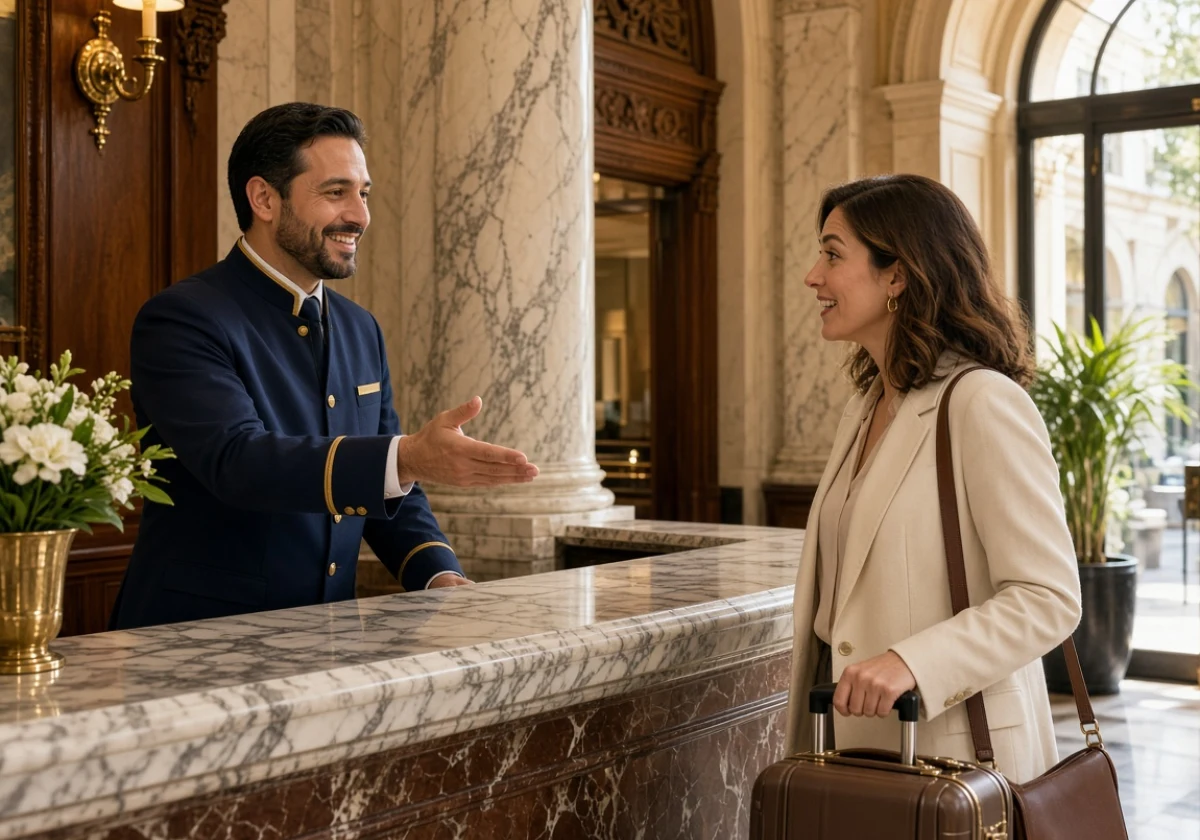
Walk into a good hotel, and someone greets you by name before you reach the front desk. That moment isn’t luck. The booking email, the lobby, and the room are all components of customer experience, planned as one customer journey. Many hotels plot each step on a customer journey map before a guest arrives.
The sections below break that journey into the parts you can copy.
What Hotel Welcomes Teach Us About Customer Expectations
A hotel welcome sets the tone for a guest’s stay, but expectations begin forming much earlier. The greeting at the door should reflect the warmth and care promised in the booking email.
When your first reply reads cold, people lower their expectations for everything that follows. You don’t have to exceed customer expectations at every step. You just have to meet them the same way each time, because a consistent experience builds trust.
Matching your tone across email, phone, and social media costs very little (guests spot a mismatch between channels almost straight away). The Australian Government’s business website recommends consistent service standards so every staff member sounds alike. That steady voice keeps service quality even across every customer support channel.
Why Customer Touchpoints Decide the Whole Journey
Customer touchpoints decide how people judge the customer journey, because they remember the whole sequence. Even a smooth checkout can’t rescue a confusing booking page.
That’s why hotels audit the customer interactions in a stay: signs, check-in, the app and support at midnight. Every step adds to the experience or chips away at it.
We’ve watched one broken contact form undo weeks of good marketing for a client. A single weak touchpoint can undo the goodwill that every earlier step built.
Anticipating Customer Needs Before They Ask
Many hotels anticipate customer needs by keeping track of preferences guests have shared during previous stays. A returning guest gets the quiet room they asked for last time, without asking again.
Your version is the customer data you already hold: past orders, enquiry notes, and booking dates. Use those details to personalise the next visit, so returning customers don’t have to repeat their preferences.
This is the cheapest part of delivering a great customer experience, and it’s the first win we point clients to. A name and a short history beat a discount.
Why Is a Hospitality-Style Customer Experience So Important for Your Business?
Borrowing from hospitality builds loyalty and repeat business that discounts can’t match on their own. A price cut buys a single order, while a remembered preference brings people back without one.
Many owners treat customer experience (CX) and customer service as the same thing. Service is only one part, though, and the wider experience drives lifetime value and customer loyalty. According to PwC’s 2025 Customer Experience Survey, 29% of consumers stopped buying from a brand because of poor customer experience.
The importance of customer experience shows up fastest when service slips. One rude reply can land in an online review that every new visitor reads. That review stays visible long after you’ve fixed the problem behind the scenes.
One of the less obvious benefits of customer experience is an easier job for your own team. Satisfied customers complain less, so staff spend fewer hours on apologies and more time serving the next guest.
CX is also a competitive advantage that rivals struggle to copy. They can match your price quickly, but they can’t easily match what loyal customers remember about you. That’s why an effective customer experience strategy belongs at the centre of your planning.

Bringing Hospitality Design Into Your Brand’s Website Experience
Those hospitality habits carry over to your website. Good hospitality design creates a website experience that feels inviting within seconds. Many customer journeys start on an inner page a search engine picked, so every page should greet visitors like a front door.
The changes below copy how a hotel lobby works.
- A Welcome Above the Fold: Visitors should see what you do and how to reach you without scrolling. Reception sits by the door for the same reason.
- Clear Paths Instead of Mazes: Group pages in the order a guest asks questions, starting with what, then how much and when. Each click should answer one question. Nobody should have to guess where the booking form hides.
- Human Help on Hand: Like a concierge desk, live chat and a visible phone number keep a human touch on the page. An AI chat widget helps too, as long as it hands hard questions to a person.
Start with your busiest page, since improving it lifts customer engagement fastest. Everything else can follow in order of visits, so each fix reaches more people.
Customer Experience Metrics: The Feedback Habit Hotels Never Skip
Once your digital design feels welcoming, the next step is checking whether your customers agree. Hotels measure customer experience after a stay and act on it before the next booking.
Each question below sits besides the measure that answers it.
| What You’re Checking | How You Measure It | What It Tells You |
|---|---|---|
| The welcome | Customer satisfaction rating for the welcome | How customers felt about their first interaction |
| The full visit | Journey mapping built from customer feedback | Where the pain points sit |
| Repeat intent | Return rate and referrals | Whether the CX earns a second visit |
Review one of these CX metrics each month, rotating through all three. Small, regular fixes build on each other faster than one large audit each year. This simple rhythm lets you manage customer experience without the customer experience management tools big platforms sell. It also gives your CX strategy real numbers to work from.
Give Your Customers a Five-Star Welcome
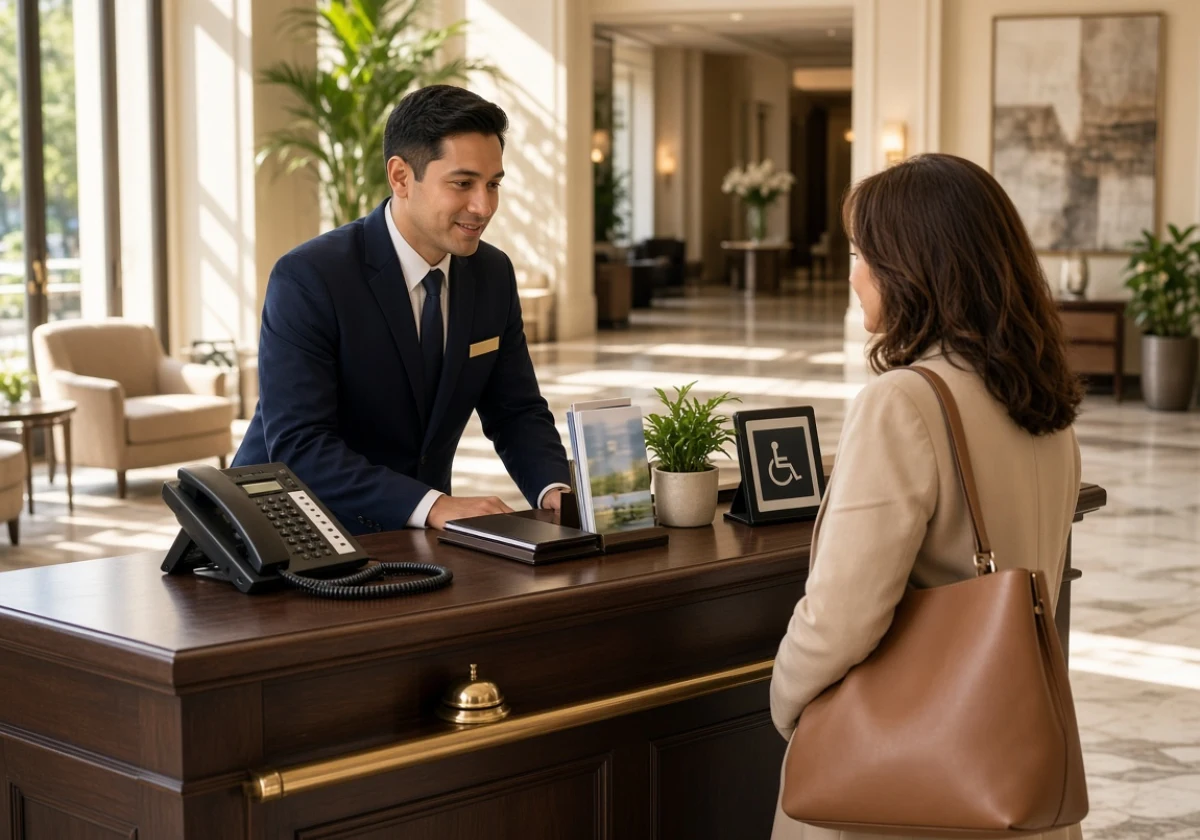
Hospitality works because the care never depends on who’s at the desk that day. Your business can work this way too, with every touchpoint offering equal warmth and a stronger customer relationship.
Start small and pick the moment your customers meet you first, then make that one thing warmer. Each small improvement adds up to service that people recommend to their friends.
Philadelphia Bar and Restaurant designs websites for businesses that want to welcome their customers to start online. Contact the team for a walk-through of your site and where its welcome drops off.