Creative environments influence better website design by giving designers the space, collaboration and inspiration to solve problems in original ways. The environment also influences how designers approach layouts, colour choices and buttons on each page.
Yet business owners rarely ask how an agency’s working environment influences design decisions. At PBR Web Design, the creative studio environment plays a role in the design process long before the first page goes live.
To understand that influence, this guide explores why relaxed teams test more ideas and how collaboration improves your site’s design. You’ll also learn how a clear process keeps projects on track and what to check before choosing an agency.
Let’s get into it.
Creative Studio Culture Influences Creative Web Design Decisions
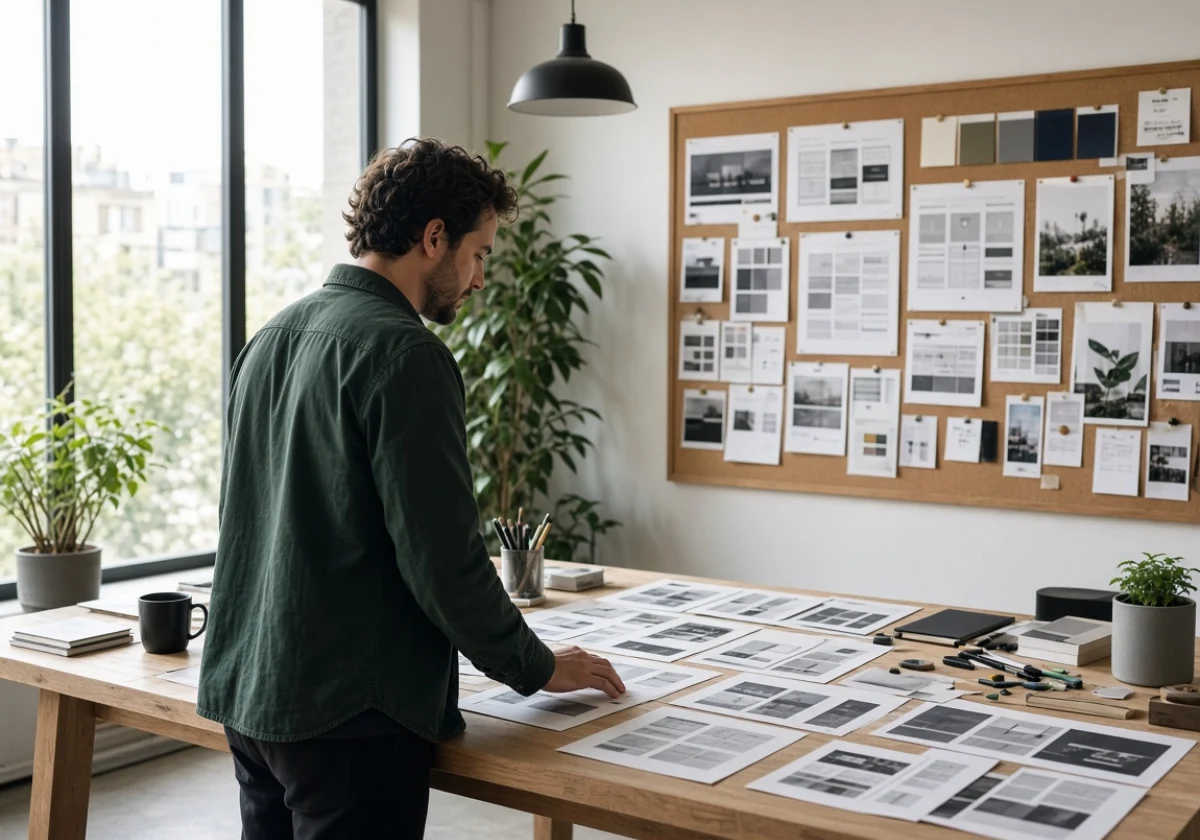
Most businesses never see the studio where designers work on their websites, yet that room influences the final design. As Australia’s digital design industry grows, more designers are entering the field and bringing fresh ideas to creative studios.
The demand for these skills is reflected in Jobs and Skills Australia’s 2023 projections. The agency forecasts digital and technology jobs to grow 21% by 2033, ahead of population growth.
The influence of studio culture becomes clearer when you look at four everyday practices.
Physical Spaces That Spark Fresh Ideas
The physical workspace plays a role in how designers approach their work. Natural light, pinboards and room to spread work out change what a web designer notices. For instance, stepping back from a screen helps teams catch spacing and colour problems they might otherwise miss.
So ask an agency where its designers sit and how they develop ideas before opening software. Teams that rely entirely on screens may overlook creative options they could explore through sketches.
Collaboration Between Web Designers and Developers
Designers and developers who share a room settle technical limits in minutes without lengthy email threads. That short loop keeps animations and interactive elements in the build and prevents last-minute compromises in responsive web design.
From our experience working on website design projects, the strongest results come when design and development share a desk from the first sketch session. Let’s find out how closely both teams work together from day one and when they meet during the project.
Finding Website Inspiration Beyond Your Own Industry
Fresh website inspiration usually sits outside your own sector. Think of a real estate site borrowing its enquiry flow from a Melbourne restaurant booking page, because both are asking a cautious target audience to commit.
For that reason, collect five design examples from industries unlike yours before the first meeting, including one landing page doing the job yours has to do. Hand them over early to give the agency a clearer brief (screenshots beat long descriptions every single time, trust us).
Freedom to Experiment with Bold Designs
Designers need room to try new layouts, even when some ideas fail, because playing it safe often limits how well a design reflects your brand identity. Studios that test rough concepts have a better chance of finding a bold page design that works.
For example, we often start with three rough versions before choosing the strongest one (and yes, we’ve lost a few good ones that way). You can also ask an agency to show you its rejected versions and explain why the final design worked better.
Why Does Creative Web Design Produce Better Websites?

When designers have room to experiment and work together, they explore different ideas before choosing the final layout. Each rejected option teaches the team something about how your visitors move through a page, which is the whole job of UX design.
Those throwaway concepts from the studio floor are where the testing happens. Under pressure, teams often skip testing and choose the first workable design without checking if it delivers a seamless user experience.
Having built sites under both conditions, we’d say the difference is clearest in the browsing experience. A rushed build often leaves people hunting for the next step. That confusion can hurt your online presence, as visitors may leave before taking action.
With enough time to test different ideas, teams can improve several parts of the website:
- Navigation: A clear navigation menu helps visitors find what they need without guessing. Familiar labels and logical page groups make browsing easier.
- Design Elements: Typography and colour choices should support the content and reflect your brand identity. For example, strong contrast makes important text easier to read.
- Content and Imagery: When teams plan copy and images together, each visual has a clear purpose. Pages also avoid temporary images that distract visitors.
- Motion and Micro-interactions: Animations need careful testing on mobile devices, where limited screen space affects how people interact with them. Good responsive design keeps buttons and menus easy to use.
- Calls to Action: Visitors need enough information before deciding what to do next. Place buttons near testimonials, service details or other content that supports their decision.
Review these five areas on your current website to spot design choices that may be confusing visitors or limiting enquiries. You’ll then have specific issues to discuss with your agency before making changes.
The Web Design Process: How Structure Supports Creative Work
Creative freedom still needs structure, and a clear web design process keeps ideas on track without delaying your project. To balance both, experimentation needs a deadline, and a clear schedule gives your web design strategy specific dates and milestones to follow.
That schedule usually follows five stages: discovery, wireframes, design, build and launch. Each stage closes with a decision, so the next one starts with an agreed plan rather than a reopened debate.
Those stage gates also protect your budget. When feedback lands at the wireframe stage, changing a home page layout costs an hour, while the same change after development costs days.
To avoid late changes, good web design services make each approval stage clear. Ask for a schedule that names what you approve and when (two working days per round is fair on both sides).
Content delays can disrupt that schedule too. If you’ve ever watched a project stall over missing copy, you know the fix: write your page text while the wireframes are still rough.
Choosing a Website Design Agency That Backs Business and Marketing Goals
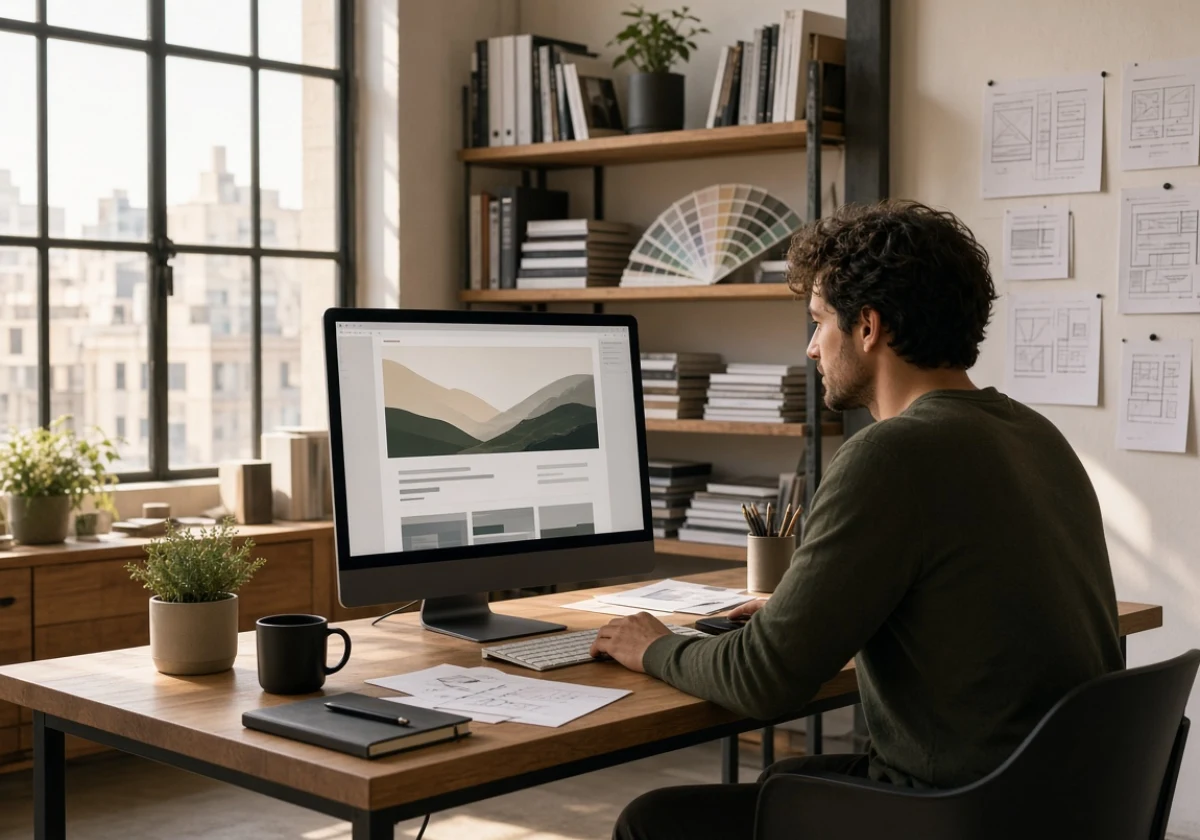
Once you know what a healthy creative process looks like, choosing the right agency becomes far simpler. Many design agencies offer similar services, including branding and website development, so their portfolios alone may not tell you enough. You also need to understand how their design decisions support your business and marketing goals.
To see how an agency supports your business goals, start with these three checks:
- Proof From Similar Clients: Request two or three clients in your sector and look at what changed after launch. Enquiries and rankings in search engines beat a portfolio shot. Get those numbers before the pitch ends.
- One Team for Design and Build: Agencies that split creative work from development risk communication gaps between teams. Check how SEO, e-commerce website work and online store support fit into the team. If they don’t work together, ask who fixes a broken checkout.
- Clear Pricing and Scope: A free quote may exclude content, photography and post-launch changes. Review these exclusions carefully, as unclear project scopes often lead to extra costs. Also, confirm the hourly rate for work outside the agreed scope.
Before choosing an agency, ask how its creative web design process supports your business goals. Check past results, find out who handles each stage and get a clear breakdown of costs.
Ready for a Website That Works for Your Business?
Creative environments influence better site design because space, collaboration and fresh ideas help designers solve problems. However, a good studio also needs a clear process to keep projects on time and within budget. Both affect the final website and how visitors use it.
Before your next build, look past the portfolio and ask how the team works day to day. Start by asking how designers and developers work together and test ideas. Then, check past client results to judge their approach before choosing an agency. These questions will help you choose an agency with confidence.
A website should reflect your brand and help visitors take action. Talk to PBR Web Design about your project, business goals and what you need your website to achieve.